
Qidong's biomedicine industry blossoms into regional powerhouse
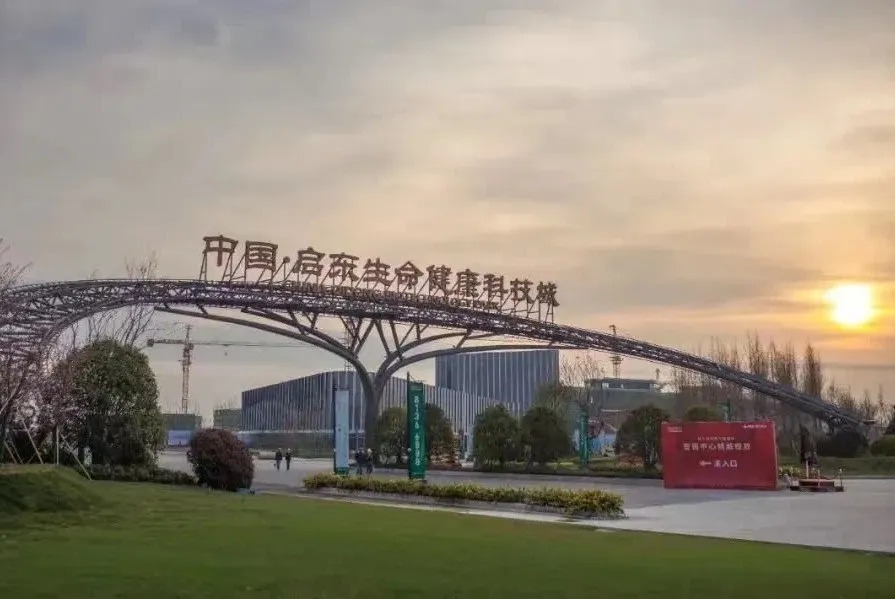
Qidong Biotechnology Park. [Photo/WeChat account: qidongfabu]
Qidong, once dominated by machinery and textiles, has transformed into a vibrant hub for biomedicine, becoming home to a complete industry chain spanning chemical drugs, APIs, biologics, and medical devices.
This transformation can be traced back to 1995, with the founding of Gaitianli Medicines. Specializing in traditional Chinese medicine solid preparations, its flagship product — Huaier Granules, a national Class I new drug targeting liver cancer and other tumors — marked the starting point for Qidong's biomedicine industry. Nearly three decades later, the company has grown into a key pillar of local industry and a symbol of innovation.
Qidong's pharmaceutical journey began even earlier, in 1975, with the establishment of its first pharmaceutical plant. By the 1990s, brands like Gaitianli gained traction. In 2005, the approval of the National Torch Program Bio-Pharmaceutical Industrial Base laid the groundwork for standardized growth.
A major leap came in 2010 with the establishment of the Jiangsu Bio-Pharmaceutical Science and Technology Industrial Park in Qidong Economic Development Zone. Benefiting from the integration of the Yangtze River Delta and proximity to Shanghai's Zhangjiang Pharma Valley, Qidong launched collaborative platforms like the Shanghai Free Trade Zone Qidong Biotech Innovation Park in 2015 to support production spillovers.
In recent years, the city has fully embraced the model of "R&D in Pudong, manufacturing in Qidong". This synergy has attracted over 100 enterprises, including Bayer. Today, with 18 pharmaceutical manufacturers, 18 medical device firms, 13 R&D institutions, and over 50 startups, Qidong's once modest industry has grown into a thriving biomedical powerhouse.

